Introduction: The Screen’s Silent Toll
Do you ever feel a phantom vibration in your pocket? Do you reach for your phone the moment your mind is quiet, perhaps while waiting in line or sitting at a traffic light? If so, you are not alone. We live in the Age of Perpetual Connection, where the average person touches their phone thousands of times a week, effectively making the digital screen an extension of the self. While this constant connectivity brings convenience, it carries a severe, often unrecognized price: digital burnout.
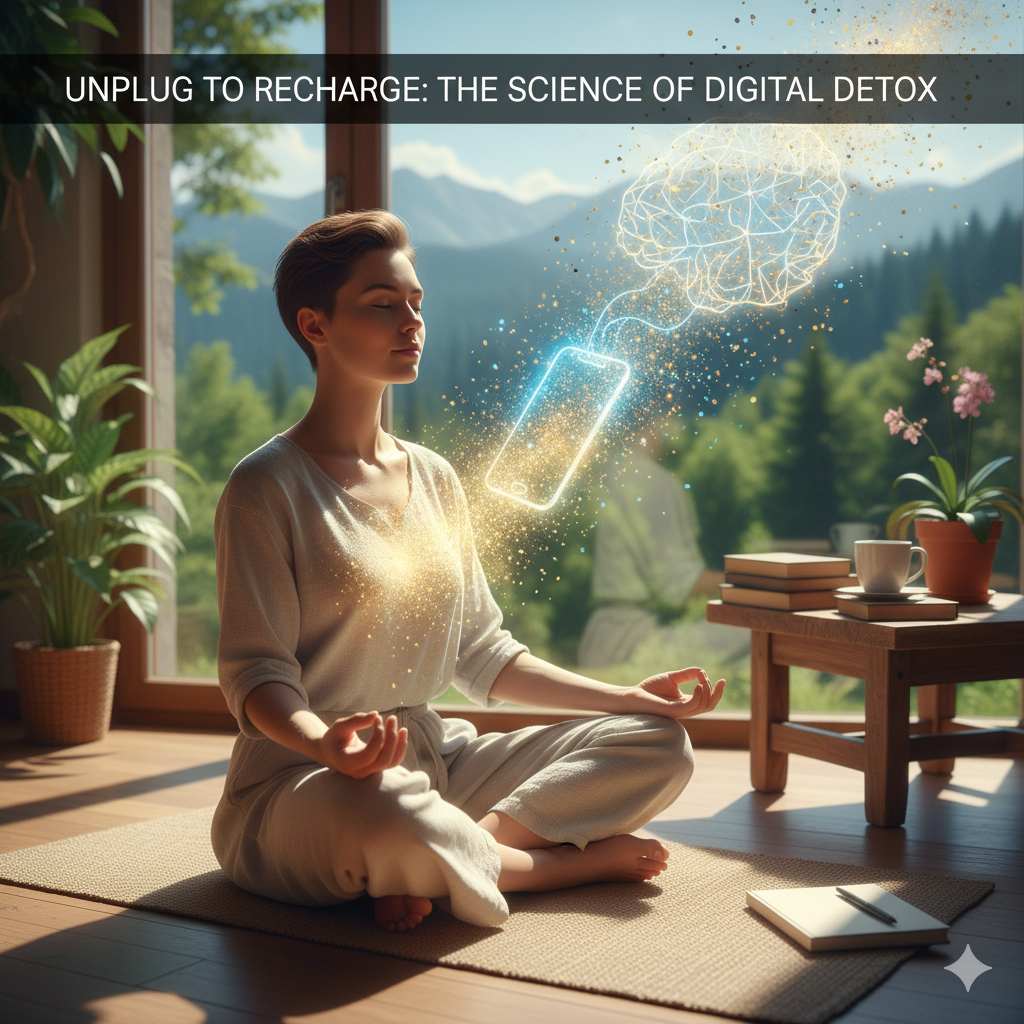
This constant state of arousal, fueled by endless notifications and the demands of the digital world, is quietly exhausting our brains, eroding our attention spans, and increasing our baseline anxiety. The solution is not to abandon technology entirely, but to strategically step back. This is where the practice of Digital Detox comes in—a deliberate period away from screens and digital communication designed to reset the mind and reclaim focus.
This article will dive deep into the science behind our digital dependency, revealing the neurological and psychological mechanisms at play. We’ll explore the measurable benefits of stepping away from the screen and provide a roadmap for how you can Unplug to Recharge your cognitive batteries, improve your mental health, and find balance in our hyper-connected world. Understanding this science is the first step toward a healthier relationship with your technology.
Background and Context: Understanding Digital Dependency
To appreciate the power of a Digital Detox, we must first understand the powerful forces that keep us hooked. Our devices aren’t just tools; they are highly sophisticated engagement machines designed by behavioral scientists and neurologists.
The Brain on Notifications: The Dopamine Loop
The key to our digital dependency lies in the dopamine reward system—the brain’s pleasure and motivation center.
- Variable Rewards: App designers utilize the principle of “variable reinforcement schedules.” Since you never know when the next rewarding notification (a ‘like’, a reply, a relevant email) will arrive, your brain stays in a state of anticipatory tension, constantly checking back. This unpredictable reward is far more addictive than a predictable one.
- Novelty Bias: The brain is hardwired to seek novelty and information. Every new post or notification represents new information, triggering a mini-hit of dopamine that reinforces the checking behavior. This drives the compulsive need to “doomscroll” or perpetually refresh a feed.
- Cortisol and Anxiety: The constant cycle of notifications is experienced by the body as a series of micro-stress events. The stress hormone cortisol spikes, leading to a state of chronic, low-level anxiety that researchers call “Technostress.” This exhaustion is the primary reason why we need to Unplug to Recharge.
The Age of Surveillance Capitalism
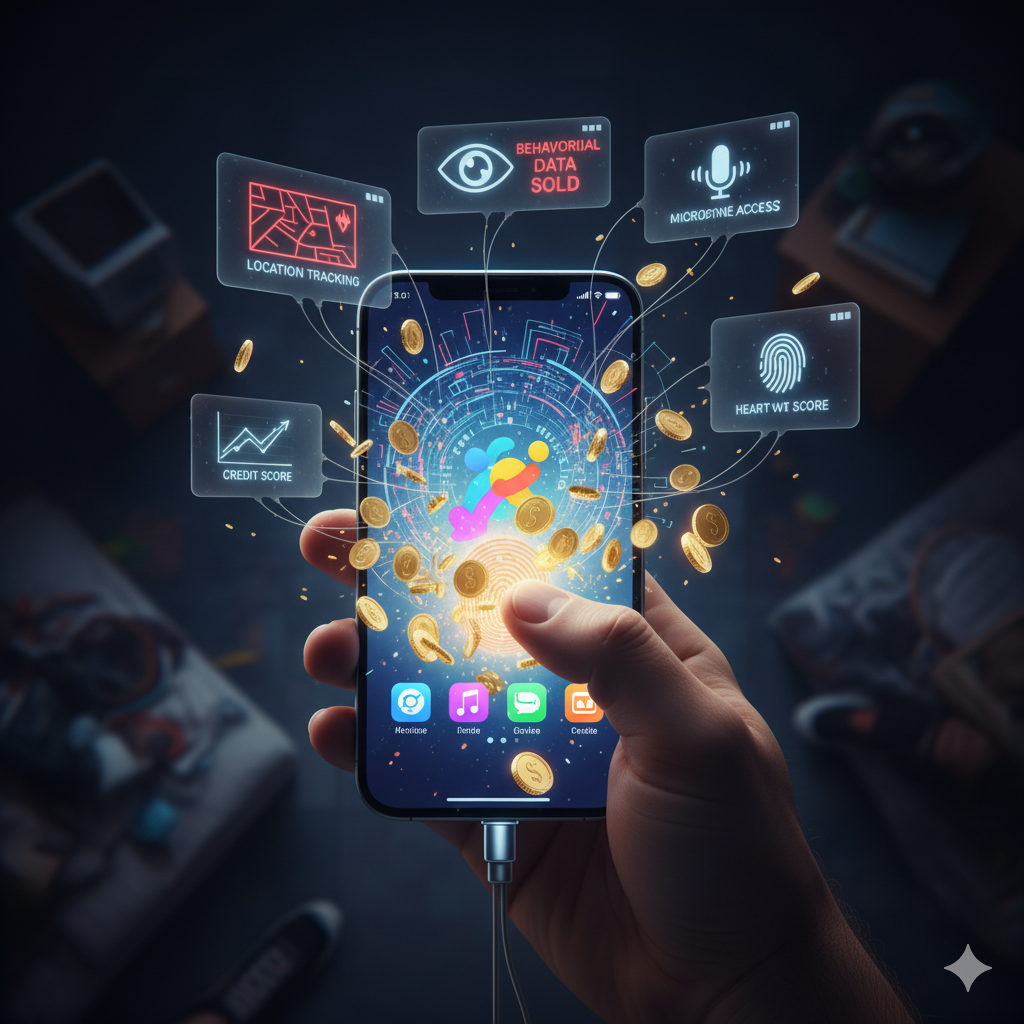
Our dependency is not accidental; it is economic. Most “free” digital services operate under the model of surveillance capitalism, where the product being sold is the user’s attention and behavioral data.
- Attention Extraction: Apps are engineered to maximize “time on site,” as attention is the commodity. The longer you scroll, the more data they collect, and the more ads they can serve.
- The Fear of Missing Out (FOMO): This powerful social anxiety is a central tool. FOMO ensures continuous engagement because the user fears missing an essential social, professional, or personal update, thereby keeping them locked into the notification cycle.
A Digital Detox is, therefore, an act of rebellion—it is reclaiming your attention and reducing the constant cognitive load imposed by this exploitative economic system.
Detailed Comparison: Constant Connection vs. Digital Detox
The effects of a Digital Detox are not merely anecdotal; they represent measurable physiological and psychological changes. Here is a comparison of life under constant digital stimulus versus the restorative state of unplugging.
| State of Being | Constant Digital Input (Before Detox) | Digital Detox State (During/After Detox) |
|---|---|---|
| Brain Chemistry | High Cortisol (Stress), Erratic Dopamine spikes, Reduced Serotonin production. | Balanced Serotonin, Natural Dopamine release from real-world activities, Normalized Cortisol. |
| Sleep Quality | Decreased Melatonin due to blue light exposure; fragmented sleep, reliance on screens before bed. | Improved Sleep Hygiene; natural Melatonin production; deeper, more restorative REM cycles. |
| Cognitive Function | Fragmented Attention (switching costs), decreased focus depth, dependence on external memory (Googling everything). | Enhanced Focus (single-tasking), improved working memory, restored capacity for sustained deep work. |
| Emotional State | High baseline anxiety, increased irritability, social comparison stress, and a sense of “busyness.” | Reduced stress and anxiety, increased patience, greater appreciation for the present moment, emotional resilience. |
| Time Perception | Time feels fast, often wasted on passive consumption, a sense of not having enough time. | Time feels slower and more meaningful, increased engagement in non-screen hobbies, greater sense of accomplishment. |
| Physical Manifestations | Eye strain, “text neck,” sedentary lifestyle, potential tension headaches. | Increased physical activity (replacing screen time with movement), reduced strain, better posture. |
The detox essentially acts as a systemic “reboot” for the nervous system, allowing the brain to switch from the high-alert, information-processing state to a calmer, default mode network, which is essential for creative thinking and long-term memory consolidation.
Key Features and Benefits: The Science of Reclaiming Your Mind
The core motivation to Unplug to Recharge is found in the powerful, scientifically validated benefits that emerge when we intentionally break the digital cycle.
1. Restored Attention Span and Deep Work Capacity
Our dependence on constant information fragments our attention, a phenomenon known as Continuous Partial Attention (CPA). A detox combats this by forcing the brain to engage in single-tasking.
- Improved Cognitive Control: Studies show that reducing technology use improves executive function, which is the ability to manage and sustain attention, resist distraction, and switch between tasks effectively.
- Return to Flow State: True deep work—the state of concentration where the highest quality work is produced—is impossible when notifications are present. A detox creates the mental space necessary to enter the flow state, drastically boosting productivity and creativity.
2. Enhanced Creativity and Problem-Solving
Creativity rarely happens when we are actively focused on consuming content. It happens during periods of mental stillness and boredom.
- Default Mode Network (DMN): When the brain is idle (e.g., staring out a window, taking a walk), the DMN activates. This network is crucial for self-reflection, complex planning, and connecting disparate ideas—the foundations of creativity. Constant screen time suppresses the DMN.
- The Power of Boredom: A Digital Detox reintroduces healthy boredom, forcing the mind to fill the void with original thoughts, insights, and imaginative play, proving that to truly charge your mind, you must first unplug it.
3. Reduced Anxiety and Improved Mood
The link between heavy social media use and increased rates of depression and anxiety, particularly among young adults, is well-documented.
- Reduced Social Comparison: Stepping away eliminates exposure to the curated, often misleading highlight reels of others’ lives, which fuels envy and low self-esteem (Social Comparison Theory).
- Rebuilding Real-World Connection: By forcing face-to-face interaction, a detox boosts the release of oxytocin, the “bonding hormone,” and strengthens genuine, supportive social connections, which are the most powerful antidote to anxiety.
4. Better Physical Health and Sleep Quality
The benefits extend far beyond the psychological.
- Circadian Rhythm Regulation: Blue light emitted by screens suppresses the production of melatonin, the hormone that tells your body it’s time to sleep. A strict digital curfew (no screens 90 minutes before bed) established during a detox helps restore the natural circadian rhythm, leading to faster onset and deeper, more restful sleep.
- Increased Movement: When the phone is put down, people naturally replace that time with active pursuits—walking, hobbies, and exercise—counteracting the sedentary nature of digital consumption.
Pros and Cons: The Trade-Offs of the Digital Detox
The decision to Unplug to Recharge is a powerful one, but it comes with its own set of practical challenges and psychological hurdles that need to be navigated.
| Pros (The Rewards of Unplugging) | Cons (The Challenges of Disconnection) |
|---|---|
| Psychological Resilience: Reduces stress reactivity and strengthens emotional control against external stimuli. | Fear of Missing Out (FOMO): Intense anxiety and withdrawal symptoms caused by social and informational isolation. |
| Improved Relationships: Shifts attention and focus back to in-person social interactions, deepening bonds with family and friends. | Professional Isolation Risk: The inability to respond to urgent work emails or messages can create stress or damage professional reputation (requires careful planning). |
| Time Reallocation: Frees up significant blocks of time (often 2–4 hours per day) for productive hobbies, exercise, reading, or rest. | Initial Withdrawal Symptoms: Users may experience anxiety, restlessness, boredom, irritability, and a feeling of disorientation for the first 24-72 hours. |
| Financial Savings: Reduces exposure to targeted advertising and impulsive online purchases, leading to more mindful spending habits. | Re-entry Challenge: Difficulty maintaining boundaries and habits once the detox period is over, leading to rapid relapse into old patterns. |
Use Cases: Who Needs to Unplug to Recharge?
While everyone can benefit, certain groups are particularly vulnerable to digital burnout and can achieve transformative results from a structured Digital Detox.
1. The Remote Professional and the Student
These groups often struggle with the blurred line between work/study and personal life, with screens dominating both spheres.
- The Problem: The expectation of “always-on” availability leads to email checking late at night and during weekends, preventing true mental separation from work. Students suffer from constant background distractions that erode study efficiency.
- The Detox Solution: Implementing a strict digital curfew and “Communication Containment”—only checking email and messaging apps at pre-set, non-reactive times. This forces deep, concentrated work blocks followed by complete rest.
2. Parents and Families
Technology use by parents is a major source of conflict and reduced presence in family life.
- The Problem: Distracted parenting—using devices while interacting with children—diminishes the quality of emotional connection and can negatively impact child development. Children often model their parents’ digital habits.
- The Detox Solution: Establishing “Screen-Free Zones” (e.g., dining table, bedroom) and “Connection-Time Blocks” where all family members intentionally put devices away to engage in shared activities. This promotes better communication and healthier modeling for children.
3. Individuals Battling Anxiety or Depression
For those with pre-existing mental health conditions, the digital environment can be a constant accelerant for negative rumination and comparison.
- The Problem: The passive consumption of social media and news can trigger negative feedback loops and increase feelings of isolation, despite being “connected.”
- The Detox Solution: A structured, temporary removal from anxiety-inducing platforms (e.g., news feeds, highly curated social media) to allow the brain to reset and engage in mood-boosting, real-world activities like nature walks, creative hobbies, or physical exercise.
FAQs: Mastering the Digital Detox
Q1: Is a complete Digital Detox necessary, or can I just cut back gradually?
While gradual cutting back (Digital Minimalism) is effective for long-term maintenance, a complete, temporary detox is often recommended first. The sudden removal helps “starve the dopamine loop,” allowing the neural pathways to reset and reducing the intense cravings. This creates a clearer baseline from which you can build healthy, sustainable habits.
Q2: How long should a successful Digital Detox last to see benefits?
Significant psychological and physiological benefits typically emerge within 48 to 72 hours. This is the period required for withdrawal symptoms to subside and for the brain to start normalizing its dopamine and cortisol levels. For a comprehensive reset, a full week is often recommended, as this allows enough time to establish new, non-screen-based routines.
Q3: How do I handle my work phone and necessary digital tools during a detox?
A successful detox requires clear boundaries. If your job depends on the device, implement “Intentional Device Use.” Dedicate one specific, stripped-down device (like a basic work phone) only for necessary communication. Disable all non-essential apps (social media, news, games) and stick to scheduled check-in times. The goal is to eliminate unintentional screen use.
Q4: What are the common withdrawal symptoms of a Digital Detox?
The most common symptoms include anxiety, restlessness, irritability, and intense boredom. The first 24 hours are often the hardest, as the brain searches for its usual stimulus. These are signs that the detox is working and the brain is adjusting to a lower, healthier level of stimulation.
Q5: After a detox, what are the best strategies for maintaining the benefits long-term?
Maintain the benefits by becoming a digital minimalist. Key strategies include:
- Digital Curfew: Enforce a strict no-screens policy 90 minutes before bed.
- Default-Screen Strategy: Move all addictive apps (social media, games) off your phone’s home screen, forcing you to search for them.
- Notification Control: Turn off all non-essential notifications, allowing only direct calls and texts.
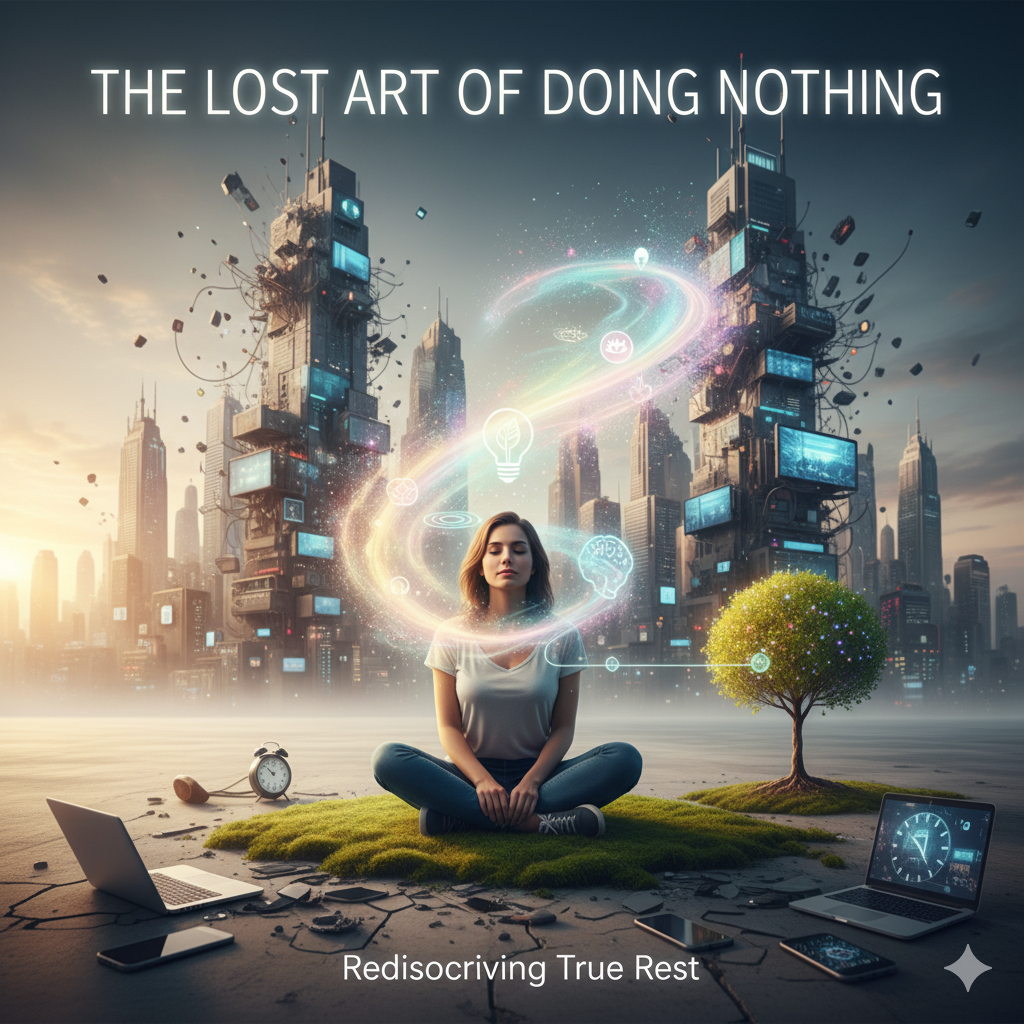
- Designated Boredom Time: Schedule 15-30 minutes daily for “doing nothing” (walking, staring out the window) to promote DMN activity and creativity.
Q6: Can a Digital Detox help improve my relationships?
Yes. Digital distraction makes us physically present but mentally absent, a phenomenon known as phubbing (snubbing someone in favor of your phone). By putting the phone away, you offer undivided attention, which is the cornerstone of healthy relationships. This intentional presence during meals, conversations, and quality time significantly deepens emotional connection and trust.
Conclusion: Embracing the Playbook of Tomorrow
The science is unambiguous: our brains are not designed for the constant, high-speed input delivered by modern technology. The pervasive push notifications, the endless novelty of feeds, and the anxiety of FOMO have hijacked our natural reward systems, leading to a generation that is constantly busy but rarely productive, perpetually connected but often profoundly lonely.
The act of taking a Digital Detox is not a trendy lifestyle choice; it is a neurological necessity for restoring balance to a system that has been overloaded and overstimulated. By consciously choosing to Unplug to Recharge, we reclaim our most valuable resources: our attention, our time, and our mental peace. This process restores the brain’s ability for deep thought, sustains focus, and allows creativity to flourish in the fertile ground of intentional stillness.
Final Verdict: The Power of Intentionality
The final verdict is that the challenge is no longer about using technology, but about mastering intentionality. The Digital Detox is your essential playbook for achieving this.
For sustainable mental health and cognitive excellence, it is mandatory to treat digital consumption as a conscious choice, not a passive reflex. Schedule your screen time like an important meeting, and treat your non-screen time as sacred. The ultimate goal is not a temporary detox, but a permanent digital discipline where technology serves your life, rather than consuming it. The most powerful recharge you can give yourself is the gift of being fully present.